What is the Peer Support Program?
Peer Support is a student-led approach to wellbeing
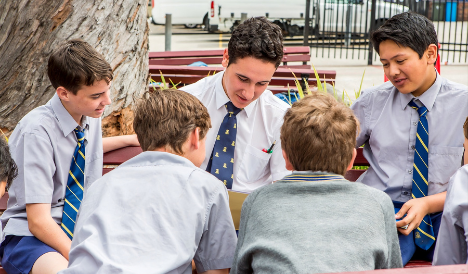
Senior students are trained as Peer Leaders, and lead small groups of younger students in weekly structured sessions.
The program explores four key concepts: resilience, sense of self, connectedness, and sense of possibility.
Peer Support equips students with the skills and tools to build strong relationships and positively navigate life. Students learn the social and emotional literacy skills to better manage life’s ups and downs.
The program is supported by research and offers a best practice approach. This was recently highlighted by the findings of the ACER systematic review into external wellbeing programs in schools.
Students develop social and emotional literacy skills
The Peer Support Program builds strong relationships, empowers students, nurtures a sense of belonging, and fosters an anti-bullying culture.
Many schools report that their students have better relationships, an increased sense of personal responsibility and agency, and a greater feeling of belonging.
In fact, research into our program has found that:
- 69% of younger students who participated in the Peer Support Program reported greater feelings of acceptance and inclusion.
- 80% of Peer Leaders felt they experienced personal growth, 82% felt they improved their leadership skills, and 89% improved their confidence.

Find out more about Peer Support
Our digital info pack covers everything you need to know about the Peer Support Program and our additional services.
Take a sneak peek at our program resources