Is your child a Peer Leader in their school’s Peer Support Program? This is an exciting opportunity for them to step up into a leadership role. Here’s what the role involves, and how you can help them make the most of it.
What does a Peer Leader do?
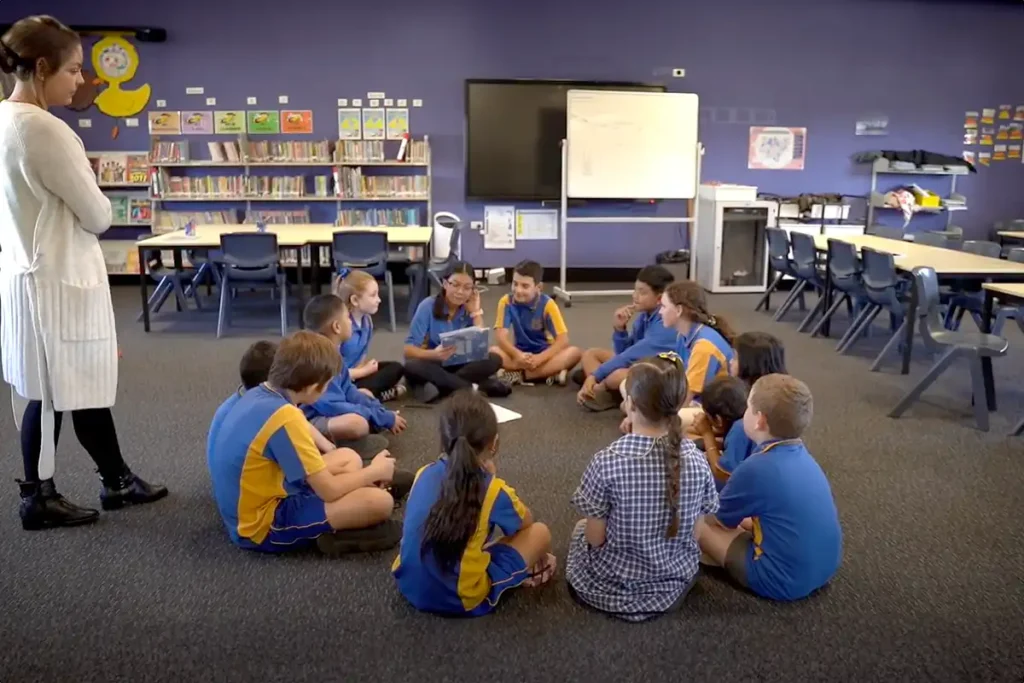
Peer Leaders are trained senior students who facilitate small-group sessions with younger students over eight weeks.
In primary schools, Year 6 students are typically the Peer Leaders, leading groups of students from Kindergarten/Foundation through to Year 5. In high schools, senior students, usually in Year 10, lead Year 7 groups, helping them navigate the transition into secondary school.
Peer Leaders work in pairs or sometimes groups of three. They plan and run each weekly session using structured program resources provided by Peer Support. The Peer Leaders guide discussions, facilitate activities, and create a safe space for the younger students in their group.
A supervising teacher is always nearby to offer support, as needed.
How does the Peer Support training work?
Your child will take part in Peer Leader training before they start their new role. This is led by the school’s Peer Support Coordinator, a teacher who has been trained and accredited by Peer Support. The Peer Leader training is designed to be fun and inclusive.
At the training, your child will learn:
- How to facilitate group discussions
- Techniques for creating an inclusive, respectful group environment
- How to use the session resources and activities
- What to do if a student raises something concerning or needs additional support
Peer Leaders are also given practice runs before leading real sessions with students. The school’s Peer Support Coordinator remains a point of contact and support throughout the program.
What skills will they develop?
The Peer Leader role is widely recognised as one of the most meaningful leadership experiences a student can have during school. It’s hands-on, relational, and requires a genuine commitment to others.
It’s also unique in being available to all students. Peer Support is built on the belief that every child and young person should have the opportunity to develop leadership skills.
Students who take on the role have the opportunity to develop:
- A greater sense of personal responsibility and agency
- Communication and public speaking experience
- Active listening and empathy
- Planning and organisational skills (sessions need preparation)
A Peer Leader role can be a turning point in a young person’s confidence and sense of self.
What are the responsibilities?
Peer Leaders use the program resources to lead their groups over a 30 or 40 minute session. The sessions are weekly for eight weeks. Peer Leaders prepare each session in advance, and debrief afterwards with their school’s supervising teacher.
Most students step up to the challenge and thrive in the responsibility they’ve been given. Teachers often comment on their Peer Leaders suddenly become more mature and confident.
Remind your child: their job isn’t to be perfect. It’s to practise being a leader and a role model: listen, include, and connect. They’re also well supported by the school in their role.
How can you support them from home?
The most effective thing you can do is take the role seriously alongside them. Some practical ways to help:
- Check in on how they’re feeling: encourage them to speak with their teacher if they need any support.
- Ask about their sessions: what went well, what felt hard, how the group is going.
- Celebrate their effort: the fact that they’re showing up for younger students week after week is significant.
The bigger picture: creating a sense of belonging
Peer Leadership is recognised as a critical component of whole-school wellbeing. When older students invest in younger ones, it creates a school culture where students feel connected across grades.
Your child has been given a real opportunity to contribute to that culture. With your support at home, and the structure the Peer Support Program provides at school, they have everything they need to do it well.